
Mt Kipipiri

Mount Kipipiri: The Prodigal Mountain of the Aberdares
Location:
Mount Kipipiri rises from the Central Highlands of Kenya, set in the Geta Bush region of Nyandarua County. Located about 150 kilometers (93 miles) north-northeast of Nairobi, it offers a tranquil retreat from city life.
A Unique Formation:
Often referred to as the prodigal mountain of the Aberdare Ranges, Mount Kipipiri stands apart both geographically and symbolically. Unlike the contiguous chain of peaks that form the Aberdare Range, Kipipiri is a free-standing volcanic mountain, giving it a distinct presence on the landscape.
Elevation:
At an impressive 3,370 meters (11,056 feet) above sea level, it ranks among Kenya’s notable highlands, offering cooler temperatures and sweeping vistas.
Scenery and Environment:
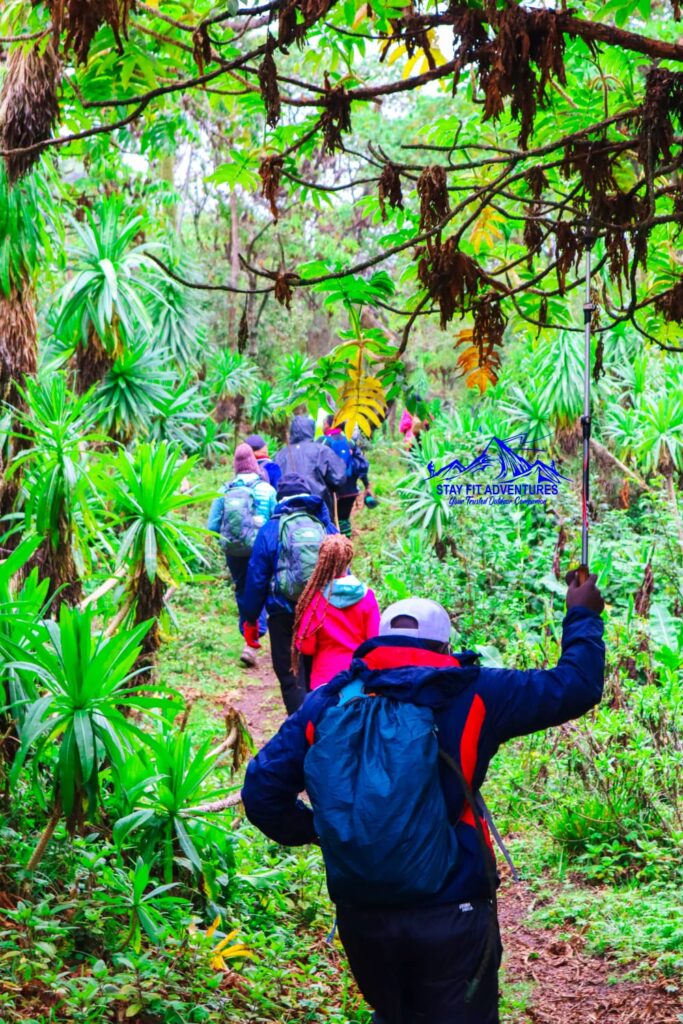
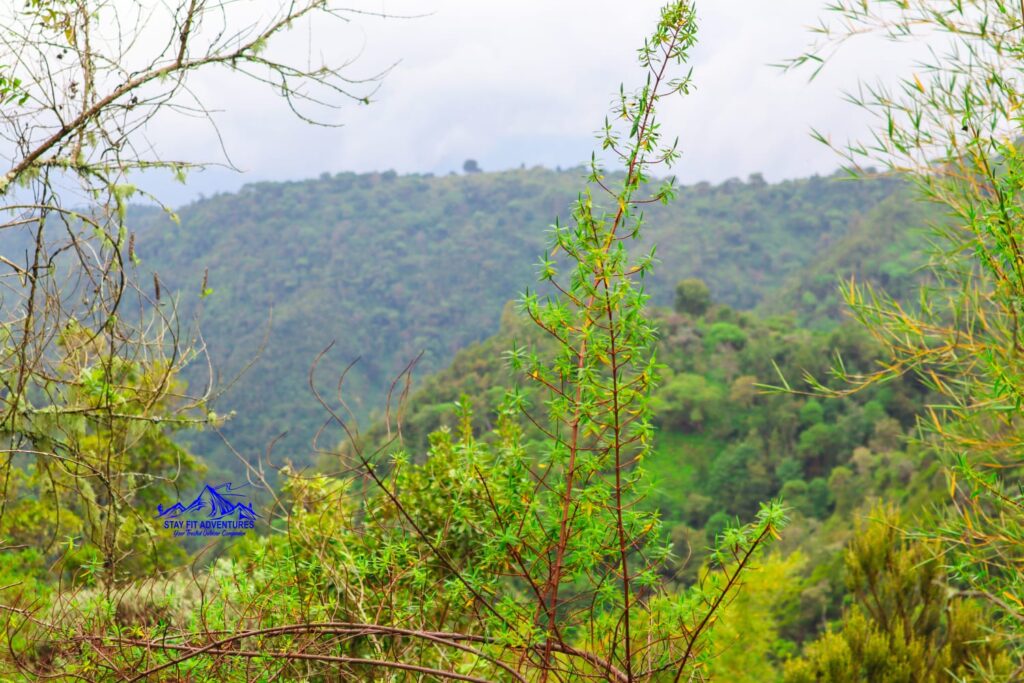
The mountain is cloaked in lush bamboo forests, alpine moorlands, and deep valleys teeming with life. As part of the larger Aberdare ecosystem, it hosts a variety of wildlife including elephants, buffaloes, and diverse bird species—making it ideal for nature and wildlife enthusiasts.
Hiking and Trekking:
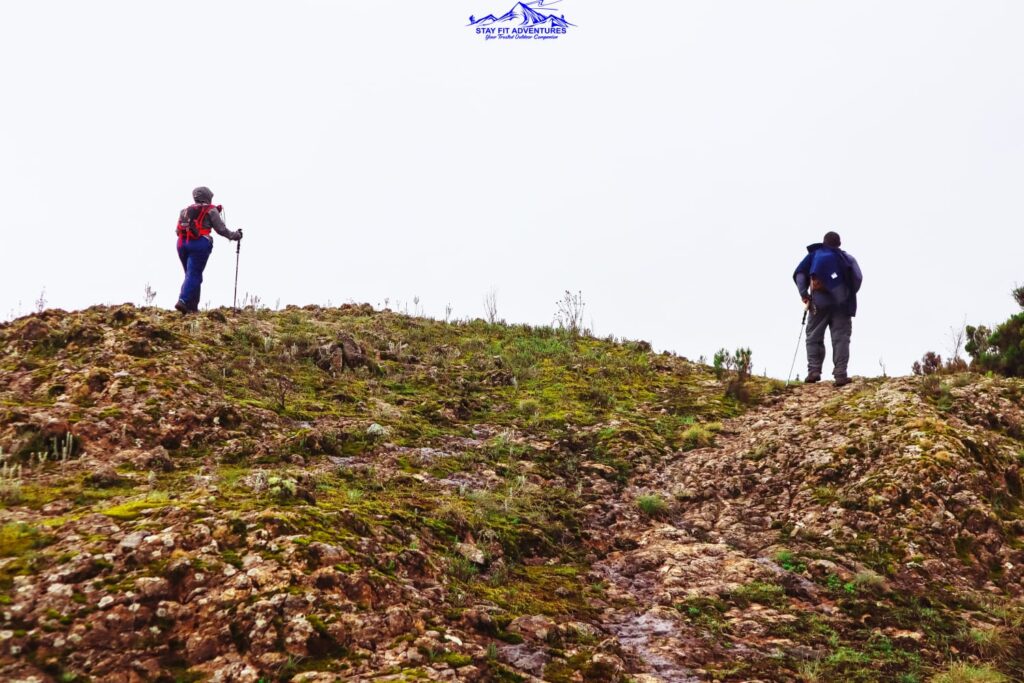
Mount Kipipiri’s trails attract hikers and trekkers seeking adventure off the beaten path. Various routes to the summit provide unforgettable views of the Great Rift Valley and neighboring peaks of the Aberdares.
Conservation:
The mountain is protected under Aberdare National Park, an important conservation area that safeguards wildlife habitats and supports sustainable tourism.
Climate:
Cool and misty due to its elevation, Kipipiri’s weather can shift quickly. Hikers are advised to come prepared for wet conditions and chilly temperatures, especially at higher altitudes.
Mount Kipipiri Traverse Hike Distance and Stats
- Distance: 17.5km
- Maximum Elevation: 3,370m
- Maximum Elevation Gain: 900m
- Duration: 5-8 hours
- Difficulty: Moderate
Mt. Kipipiri Hike Itinerary
- 4:00 A.M Pick up at Roysambu
- 4:30 A.M Pick up at International House
- 08:00 A.M Hike Starts
- Ticket is inclusive of
- Round transport
- Entrance and guide fee
- Professional photographer
- Paramedics
- Bottled drinking water
- Exclusive of anything else not mentioned

What to Wear
- Quick-drying tshirt
- Quick-drying pants
- Fleece jacket
- Sun hat or cap
- Well-treaded hiking shoes
- What to Carry
- 3L water and suitable snacks
- Rain jacket
- Rain pants
- Trekking pole
- Identification documents

How to Prepare for the Hike
Engage in Active Cardio
In the week leading up to your hike, participate in cardio exercises such as aerobics, walking, running, cycling, and swimming to improve stamina and cardiovascular health.
Rest the Day Before
Take a complete break from physical activity the day before your hike to allow your body to recover and store energy.
Hydrate Well
Begin increasing your water intake at least two days before the hike. Proper hydration boosts energy levels and prevents cramps or fatigue.
Get Quality Sleep
Ensure you get enough rest the night before. A good night’s sleep is crucial for physical performance and mental clarity.
Pause Dieting or Fasting
If you are on a diet or intermittent fasting, consider taking a break the day before and the day after the hike. This will help you build up the energy reserves needed for a demanding hike.
Cut Your Toenails
Trim your toenails before the hike to prevent discomfort or injury, especially on downhill sections.
Eat a Hearty Breakfast
Have a generous breakfast at least 3 hours before the hike starts. This allows time for digestion and ensures sustained energy without stomach discomfort.
Use the Bathroom Before You Leave
Visit the restroom before heading out to reduce the likelihood of needing a stop during your commute.
Prepare Your Mindset
Mental strength is key hiking is often more about mindset than muscle. Set your mind to overcome challenges. Once you conquer the mental battle, everything else becomes manageable.
For more details please text/call/WhatsApp +25479452614
