
Elephant Hill Hike

Elephant Hill, The ultimate hiking destination
Elephant Hill is a popular hiking destination located in the Aberdare Range of central Kenya, offering adventurers a moderately challenging trek with rewarding panoramic views.
Elephant Hill Hike Overview:
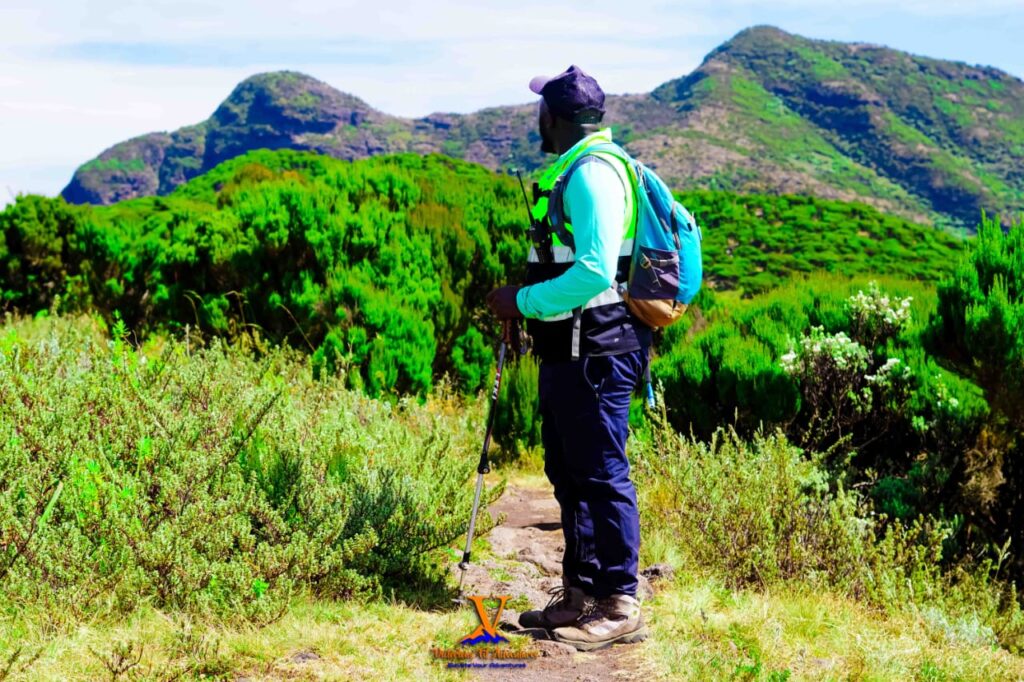
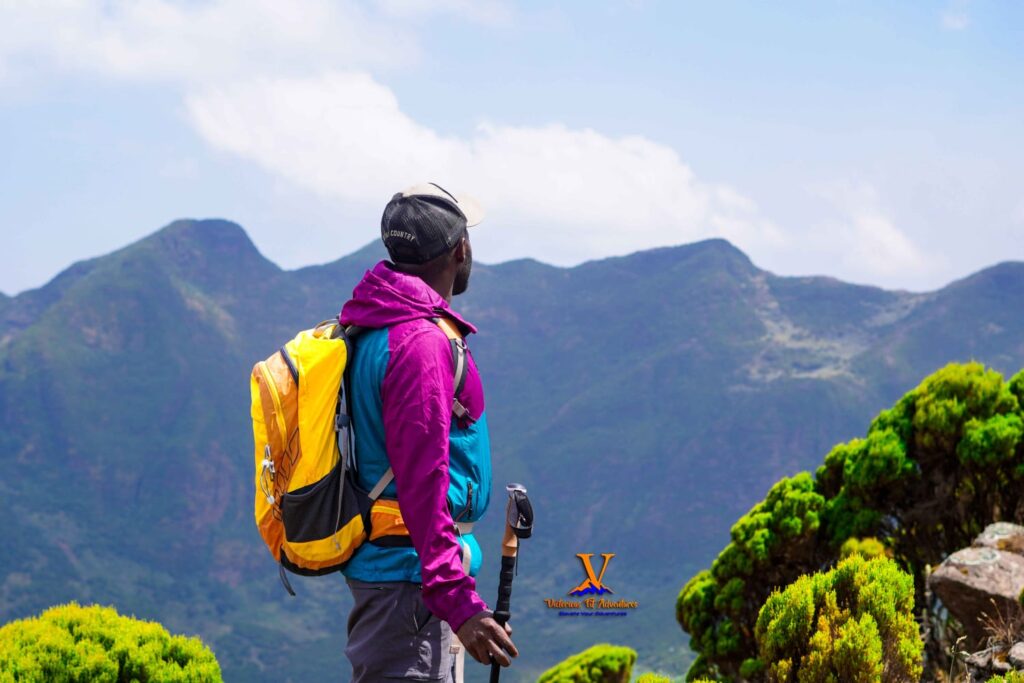
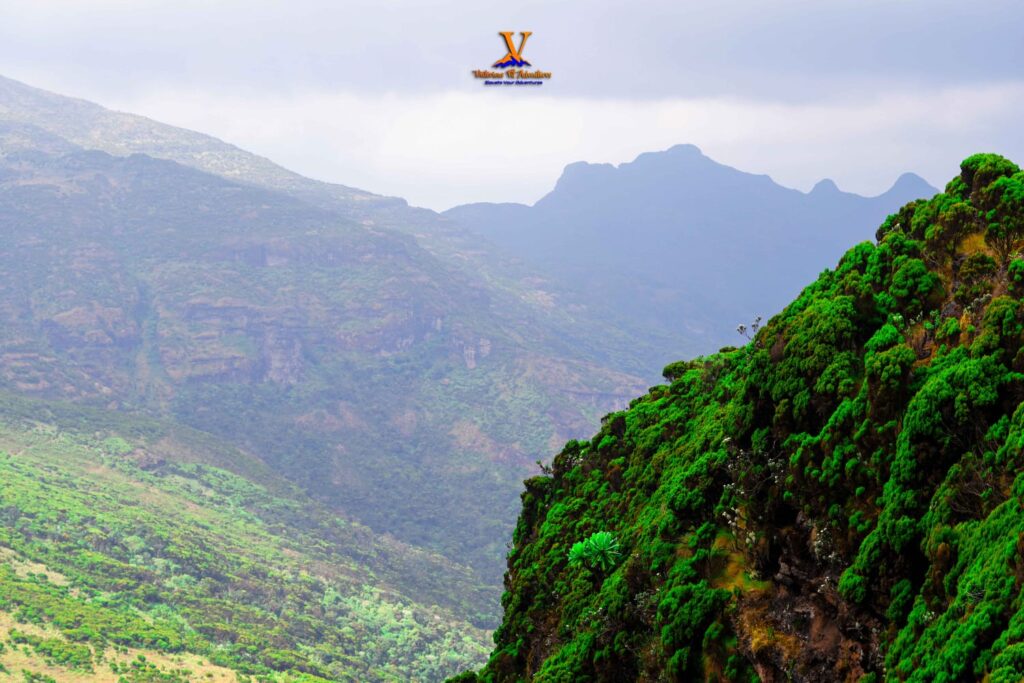
Elephant Hill is a beautiful, moderately challenging hike situated in the Aberdare National Park, Kenya. Standing at an elevation of about 3,600 meters (11,800 feet), the trail offers breathtaking views of the surrounding landscapes, including the lush Aberdare forest, rolling moorlands, and on clear days, even glimpses of the Great Rift Valley.
The Experience:
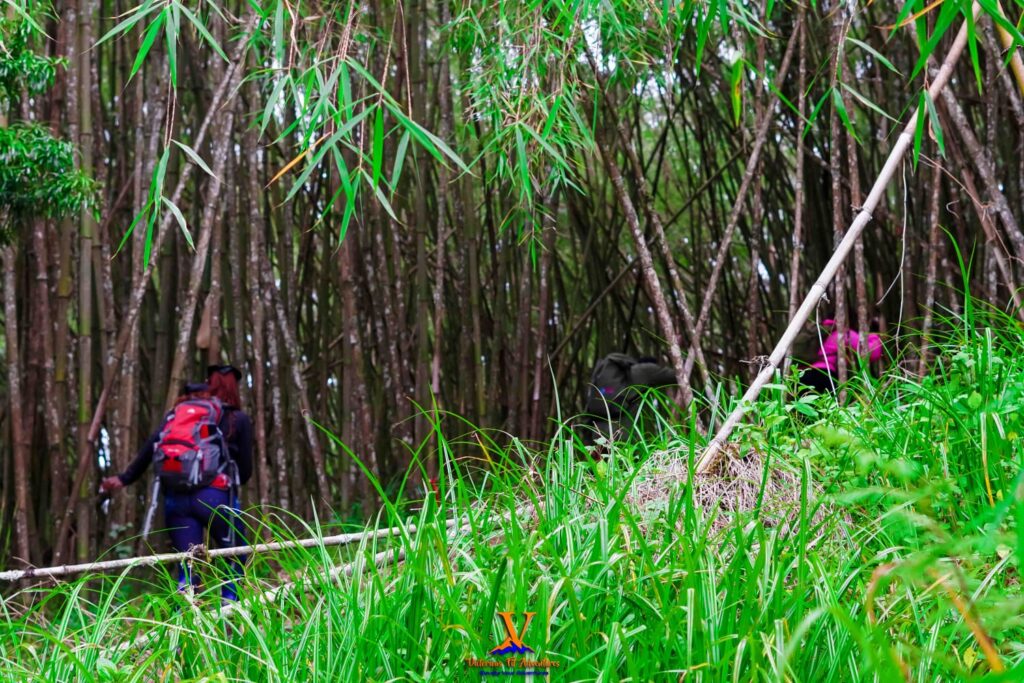
- Starting Point: The hike typically begins at the Njabini Forest Station, where you will first trek through a dense bamboo forest. This section is relatively gentle, offering an opportunity to spot various bird species and, if you’re lucky, some wildlife like monkeys or even elephants.
- The Bamboo Forest: As you ascend, the trail becomes steeper, leading you through a picturesque bamboo forest. The towering bamboo creates a serene atmosphere, with filtered sunlight casting patterns on the forest floor. This part of the hike is quite enjoyable, with the rustling of leaves and the occasional sound of forest animals adding to the experience.
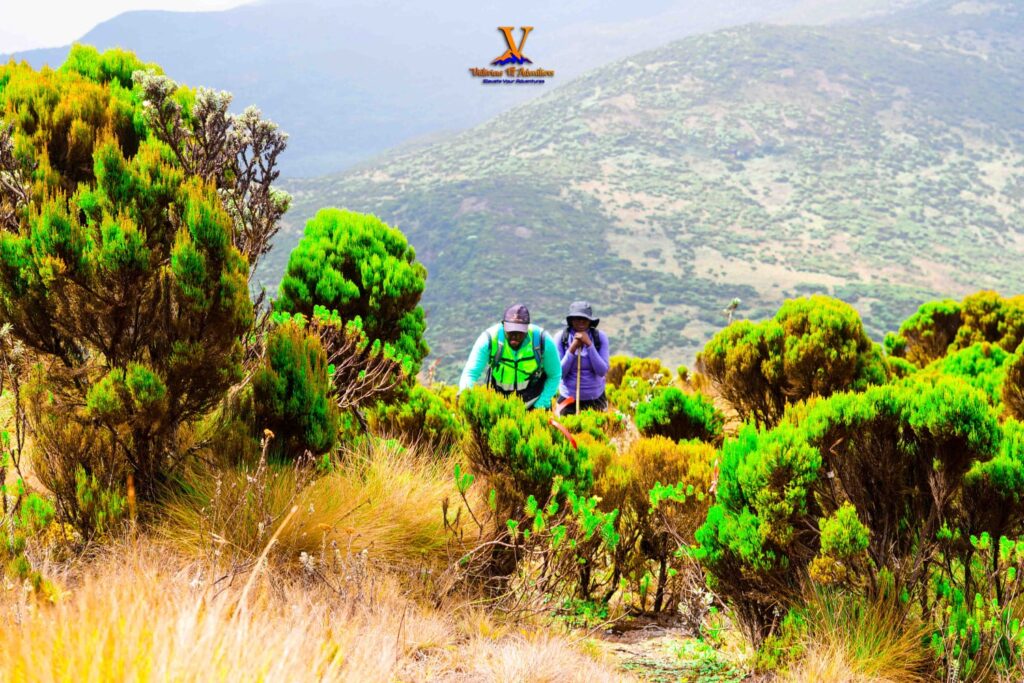
- The Moorlands: After the bamboo forest, the trail opens up to the moorlands. This section is characterized by heath and tussock grass, offering expansive views of the surrounding mountains. The air is cooler and crisper, and the landscape begins to take on a more rugged appearance.
- Summit Push: The final stretch to the summit is the most challenging part of the hike, with a steep ascent over rocky terrain. However, reaching the summit of Elephant Hill is incredibly rewarding. From the top, you can enjoy panoramic views, including the Aberdare Range and, on a clear day, distant peaks like Mount Kinangop.
Why Choose this trail
- Scenic Beauty: The diverse landscapes, from dense forests to open moorlands, provide a constantly changing backdrop that keeps the hike interesting and visually stunning.
- Moderate Challenge: While the hike is challenging, especially the final ascent, it is achievable for most people with a reasonable level of fitness. The sense of accomplishment upon reaching the summit is immense.
- Wildlife Encounters: The Aberdare National Park is home to a variety of wildlife, and while encounters are not guaranteed, the possibility of seeing elephants, buffalo, or even big cats adds an element of excitement to the trek.
- Less Crowded: Compared to more popular trails, Elephant Hill offers a more peaceful and less crowded hiking experience, allowing for a more personal connection with nature.
What to Bring:
- Sturdy Hiking Boots: Essential for the varying terrain.
- Warm Clothing: The weather can be unpredictable, and it gets colder as you ascend.
- Rain Gear: Rain can occur unexpectedly, especially in the bamboo forest.
- Snacks and Water: Keep energy levels up with snacks and stay hydrated throughout the hike.
- Camera: The views are too beautiful not to capture!
This hike is perfect for clients looking for a day of adventure, stunning views, and the thrill of conquering one of Kenya’s lesser-known peaks.
Elephant Hill Hike Distance & Stats
Distance: 19km
Maximum Elevation: 3,658m
Maximum Elevation Gain: 1,189m
Duration: 7-10 hours
Difficulty: Hard; you will need to be reasonably fit to get to the peak.
Beginner-friendly: No
Child-friendly: Fit hikers 12yo and above
Elephant Hill Hike Itinerary
4:30 A.M Pick up at Roysambu
5:00 A.M Pick up at International House
08:00 A.M Hike Starts
Ticket is inclusive of
Round transport
Entrance and guide fee
Professional photographer
Paramedics
Bottled drinking water
Exclusive of anything else not mentioned
How to Prepare for the Hike
What to Wear
Quick-drying tshirt
Quick-drying pants
Fleece jacket
Sun hat or cap
Well-treaded hiking shoes
What to Carry
3L water and suitable snacks
Rain jacket
Rain pants
Trekking pole
Identification documents
- Engage in active cardio exercises such as aerobics, walking, running, cycling, and swimming among others the week prior to the event.
- Set aside the day before the hike for resting–take a break from exercises
- Increase your hydration at least two days to the hike.
- Purpose to get enough rest the night before the hike.
- If on intermittent fasting or on a diet, take a break in the period one day before and after the hike.
- This way, you will build up your energy reserves for the arduous task ahead.
- Cut your toe nails!
- Have a generous breakfast at least 3 hours before the start of the hike. This ensures that most of the food has been digested by the time you begin the hike, giving you the much-needed energy while ensuring your stomach is not too full for comfort.
- Use the bathroom before leaving the house to reduce the need for bathroom breaks on the commute.
- Set your mind up for conquering yourself. Hiking is more about your mindset than physical preparation. Once you win the battle in your mind, everything else contributes less than 10%. You can do it!
For more details please text/call/WhatsApp +25479452614
